4
ECOCLUB, Issue 93
Winning Project: Pig Farm for Wildlife Protection - ECUADOR
Funded by: The Members of ECOCLUB through the ECOCLUB.com Ecotourism Awards 2007 – Euros 300 so far.
Summary: The difficult to balance carrying capacity of the lodge and the desires of local indigenous people to hunt fresh meat
all come together in a pig farm.
Progress so far:
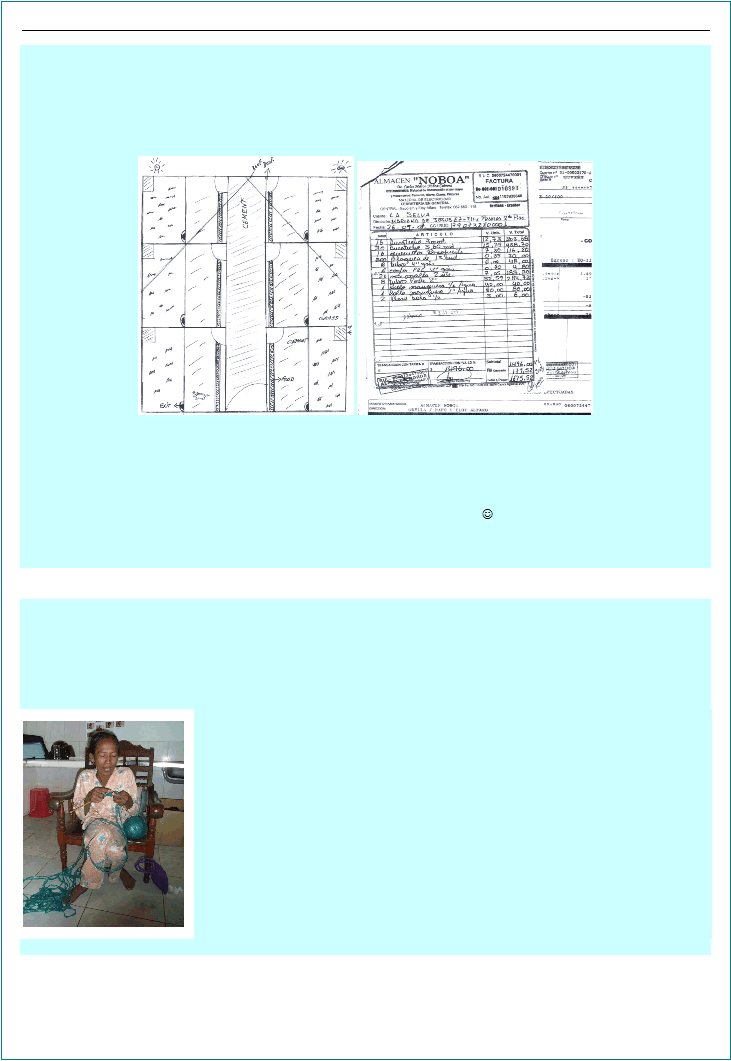
A team created by the La Selva Lodge Staff, after much more research has led to modifications in the initial farm design. The
size has been reduced, given the completed pig farm and additional budget of USD 400 per month, and instead of exporting the
pig waste, a drainage system has been developed by which the lodge can reclaim some marshy land nearby and grown not only
tropical fruits for guest and also supplement the kitchen waste so that it will be sufficient to feed the pigs when the occupancy is
low. Materials have been purchased and are in the Lodge ready for the construction. A pig master has been selected, this will be
the former butterfly master (who was explicitly told not to breed any pigs that fly
). La Selva have also hired full-time a
master carpenter/mason and plan to begin construction in October.
Winning Project: Plastic Bag Recycling Microentreprise
To be funded by: The ECOCLUB.com Ecotourism Awards 2007
Summary: Creation of a microenterprise to collect and recycle discarded plastic bags by turning them into a range of useful
products.
Progress so far:
Since conceiving this project, Carpe Diem have undertaken the following steps:
1. Researched the most efficient methods of creating the “wool” from collected
bags and
undertaken a costing exercise for yarn production.
2. Discussed and agreed upon the process for collecting bags. Initially the aim is to encourage
collection of litter in the countryside and villages around Kampot, where Epic Arts is based.
3. Identified one member of the disabled community and two members of the deaf community
who are already highly skilled in knitting and crocheting. These will make
up the core team.
They have already undertaken some practice knitting with the
plarn, replicating existing items made of wool, to get used to the feel of it and see what types of
design work with the texture.
4. Explored design options. It has been determined from testing that small items are
not well
suited to the texture of the plarn. Although detailed designs can be made, the resulting product
looks very “amateur” and is unlikely to have widespread appeal