ECOCLUB, Issue 93
_____
_____
5
THE ECOCLUB INTERVIEW
COSTAS CHRIST
"Economic and social justice along with protecting nature are core values that
should be found in all ecotourism practices."
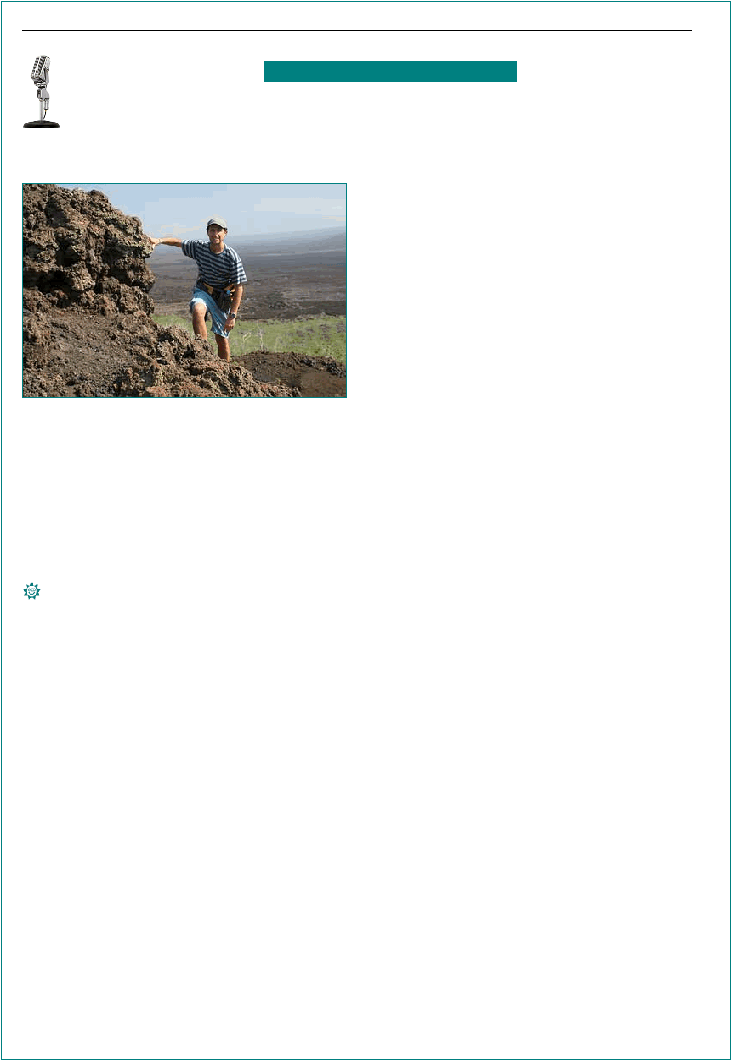
An internationally recognized expert on sustainable tourism,
Costas Christ serves as the Judging Chairman of the World
Travel and Tourism Council - Tourism for Tomorrow Awards.
He is a contributing editor and columnist for National
Geographic Adventure magazine and also the Chairman of the
Adventures in Travel Expo Conferences in North America. He
supports Big Five Tours and Expeditions as their “Ambassador at
Large” for their Spirit of Big Five travel philanthropy program
that supports the protection of cultural and natural heritage in
tourism destinations around the world. His own travels and work
have taken him to more than 100 countries across six continents
including expeditions to some of the world’s most remote
wilderness areas and archaeological sites.
He is a founding member and former Chairman of the Board of The International Ecotourism Society and served as Senior
Director for Ecotourism at Conservation International in Washington DC, where he supervised ecotourism projects in 18
countries.
In addition to his monthly column in National Geographic Adventure, Costas' articles and essays on travel and tourism have
appeared in numerous publications, including the International Herald Tribune, New York Times, and Sunday Times of
London. He is the lead author of Tourism and Biodiversity: Mapping Tourism Global Footprint and a contributing author in
Wilderness: Earth's Last Wild Places and has appeared many times on television and radio, including CNN, BBC, National
Public Radio, Voice of America, CBS, ABC, and PBS.
The Interview follows:
ECOCLUB.com: You are a true Ecotourism pioneer with a 360 degree knowledge of Ecotourism worldwide, as a
founding Member of TIES, a senior officer in many ecotourism-related organisations, an accomplished ecotour guide in
Africa and Central America, a travel journalist for major publications, with a career in public and private sectors. So
what made such an able and ambitious person believe in the potential of Ecotourism and how has it lived up to your
expectations? What would be the "Costas Christ" definition of Ecotourism?
Costas Christ: In 1990, I sat around a table at an old farmhouse outside of Washington DC with a handful of people from
different countries who shared the same vision and we spent two days trying to come up with what would become the first
definition of ecotourism - "Responsible travel to natural areas that protects nature and sustains the wellbeing of local peoples." It
was the first Board of Director's meeting of The International Ecotourism Society and that definition we came up with is still the
guiding definition for ecotourism all around the world. For me, that is how I continue to define ecotourism to this day. Of
course, there are many other aspects that pertain to ecotourism, but in that definition you will find the two pillars upon which
ecotourism stands - protecting nature and bringing benefits to local people - socially, culturally and economically. For me, the
ideas for ecotourism began back in 1978 when I was living and working in Africa. I had originally gone to Kenya to participate
in a wildlife research project in the remote Samburu Game Reserve. During my time there, I found myself in the middle of a
growing conflict between local people, struggling to meet basic needs around the park and the park rangers who were tasked
with protecting the wildlife. In the middle of this drama of conflict between local people and park managers over access to
natural resources - grazing land, wood, water - was a thriving tourism safari industry generating millions of dollars for business
owners in far away capital cities like Nairobi and London. Yet the local people who lived closest to what the tourists were
coming to see were struggling to survive, facing poverty, while every day park rangers had to contend with poor equipment and
little funds available to monitor and protect the wildlife that was at the center of the conflict.
It occurred to me sitting around a camp fire each night, and after learning the local language and getting to know the concerns of
the local villagers first hand, that conservation of rare and endangered wildlife and protection of natural habitat would never
succeed unless the people who lived closest to those places we want to protect, become partners and allies in the process. In the
middle of all this was tourism generating huge profits. I thought that tourism - properly planned and managed - could be the
economic engine to address poverty and generate the funding needed to effectively manage and protect wilderness areas. The
local people would become partners and allies when they had a direct stake in the management and economic benefits of
tourism and when protected areas got a bigger piece of the tourism economic pie. In the case of tourism itself, it seemed to me