
 London UK, Jun 20, 2012 - Tourism Concern, the Council for Social Justice and Peace (CSJP) and Eco Footprints are demanding urgent action by the Goan government to address the overexploitation of Goa's water resources by growing numbers of resorts and hotels. Water access and quality for many communities are being undermined, while untreated sewage and dumped waste is contaminating waterways and polluting the fragile marine environment. This is jeopardising the sustainability of the tourism sector itself, upon which Goa's economy heavily depends.
"Goa is popular with UK tourists and many major tour operators and hotel groups operate there. However, most visitors don't realise the environmental devastation and water inequity being wrought by weak regulations and bad practices by the tourism sector. We're asking people to back our campaign for change by signing our online petition," states Mark Watson, Executive Director of Tourism Concern.
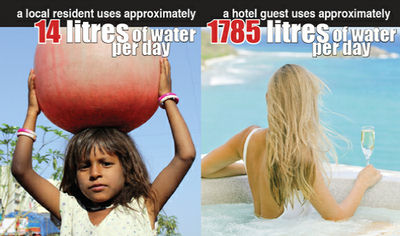
New research by Tourism Concern and CSJP indicates that water for the luxury tourism sector is being prioritised over domestic and small-scale livelihood needs. For example, residents in the popular resort town of Calangute receive piped water for just two hours every two days. However, traditional community wells are becoming unusable due to pollution and over-extraction, forcing a growing dependency on inadequate public supplies and infrastructure. Meanwhile, nearby resorts boasting swimming pools and golf courses enjoy a continuous water supply. One 5-star hotel in Benaulim consumes up to 1,785 litres of water per guest per day, compared to just 14 litres per day by a neighbouring villagers.
"The Government of Goa must respond to this critical issue and implement the recommendations of our report, Reclaiming Water Rights – Towards an Equitable Social Contract in Goa. We urge them to instigate a clear regulatory framework for water and tourism management, implement existing laws and improve infrastructure to ensure community water rights don't come second to major resort developments", says Watson.
According to a guesthouse owner in Calangute, "The wells here have been contaminated for 10 years. The contamination has been partly caused by soak pits from tourism. Dirty water leaches into the ground. The soak pits are illegal. In the hot dry season – March, April, May – we get water for 20-30 minutes a day.... Many people depend on tankers. Local people sometimes feel angry, but they recognise the benefits that tourism can bring. But it is we ordinary people who are suffering. We are drinking this water, they are not. Some can afford to buy water, some cannot."
while Sheela Gracias, a legal advocate and activist adds that "The hotels all have lush lawns and borewells. There is contamination of groundwater and huge consumption of water by hotels lowers the water table. Wells in the neighbouring village have already become saline and unfit for human consumption... Virtually the entire coastal area is sold out to developers, who often build within the high tide zone. These hotels don't benefit us in any way. There are frequent power cuts and water scarcity to the locals as the same [water] has been diverted to the hotels."
The report also calls on the international tourism sector to take responsibility for the impacts of their activities on community water access. "Hotels and tour operators must engage in efforts to tackle this issue locally. Water conservation measures within hotels are not enough," states Watson.
Related Links:
Petition for Water Equity in Goa
Report "Reclaiming Water Rights - Towards an Equitable Social Contract in Goa"