

ECOCLUB Blogs™
0 Hits

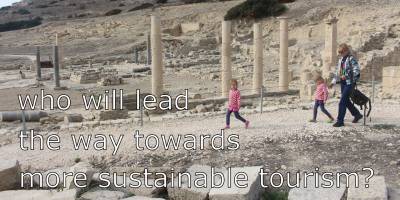
There is a lot of talk about sustainable tourism. Sustainability should be the responsibility of all those involved in tourism.But, who will play a lead role in walking the talk, making tourism more sustainable in real life?Governments? International organizations? Destination managers? Tour operators? “Consumers hold all the power when it comes to the sustainability movement”, says Bruce Poon Tip, the founder of G Adventures, world’s largest adventure travel company with 2000 employees and operating in more than 100 countries. What do you think? Read more http://creatingbetterplaces.wordpress.com/2014/01/03/who-will-lead-...
5499 Hits

The Chitral Association for Mountain Area Tourism (CAMAT) is a non-profit tourism association whose aim is to preserve the natural and cultural heritage of the Chitral district in Northern Pakistan and to support sustainable ecotourism activities in the region. It has developed a one-year project that focuses on tourism educational programs. The objectives of the project are: Protect and promote indigenous culture of the communities in the Hindu Kush region.Incorporate tourism into the education system of the region to impact positively on the tourism industry.Enhance the capacity and skills of the local stakeholders such as tour guides, drivers, porters and hoteliers.Identify and promote local destinations for sustainable tourism in the region. There are economic, cultural and environmental impacts as a result of this project. They include: Income generation for select stakeholders who will be linked with potential customers. They include tour operators, guides, artisans, festivals organisers who will all benefit from CAMAT linked activities. The protection of the indigenous culture of the Kho, Kalash and Wakhi communities in the area. These cultures are on the verge of disappearing due to modernization. The project intends to revive the cultural festivals such as Lone Bull fighting, Khot and Phindik, collect translate folklore and...
5163 Hits
CAMAT wish all ECOCLUB friends and colleagues a happy new year with a strong wish that 2014 may fill you with peace of mind, good health and prosperity.
4830 Hits

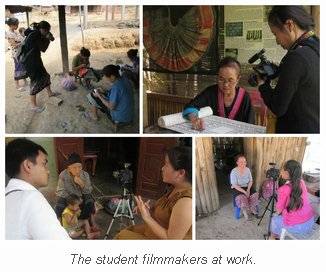
More great news about the Stitching Our Stories Project! The short films from last year's participants will be screened at the Luang Prabang Film Festival. The film, which was edited by local Hmong film students, will be shown at 11:00 AM at the LPFF Visitor Center from 7 – 10 December. On Wednesday, 11 December, there will be a special presentation by the SoS filmmakers, subjects, and film editors at the Luang Prabang Film Festival. The film assembles four documentary shorts shot by the projects' filmmakers Bao Song, Pasong Lee, Sia Yao, and Ma Ying. These examine the intricate artistry of Hmong batik and embroidery and the complex and often challenging roles of the medicine women and shamans who care for the bodies and spirits of their communities. More details on that event here. The Stitching Our Stories project, a partnership with PhotoForward, is currently in the middle of its second phase with six women from varied ethnic groups. The first phase finished successfully with an exhibit of the participants' work at TAEC on 17 November. View photos of the celebration on our Facebook page.
5584 Hits

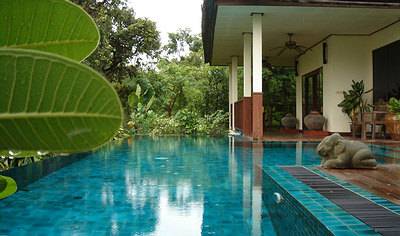
Whilst mass tourism to Thailand is one of the mainstays of the Kingdom's economy, individuals and small groups who are keen to promote responsible, sustainable tourism in the country are starting to offer experiences to the increasing number of visitors who want their holiday to make a difference. At Gecko Villa a fully catered private pool villa set on working rice paddies in Udon Thani province, a warm welcome is extended to visitors who wish to get off the beaten track and immerse themselves in a resolutely authentic region of Thailand. Here, a natural symbiosis exists, whereby: - Guests enjoy unusual, fun & experiential holidays, and direct interaction with the locals, and - The local community benefits directly via the creation of sustainable local employment, funding to protect its eco-systems, and the preservation and promotion of its culture. Making Responsible Tourism Fun The small scale of Gecko Villa ensures that all holidays at this vacation rental will always be imbued with the personal touch. Whilst some guests may wish to simply relax by the private pool, whilst enjoying a traditional Thai massage as they look forward to the Thai dinner that will be prepared for them by the villa's...
4252 Hits



I recently completed a Site Preservation and Tourism plan for Areni-1 Cave in Southeastern Armenia. Although difficult to photograph, the site is incredible and filled with loads of artifacts including: The world's earliest known leather shoe (3500 BCE)The world's earliest known wine-making facility (4000 BCE)Wine press for stomping grapes, fermentation and storage vessels, drinking cups, withered grape vines, skins, and seedsPerhaps the earliest existence of domesticated grapesSeeds from more than 30 types of fruit including grape seeds and vines of the species Vitis viniferaEarliest known human brainArray of culturally diverse potteryCopper Age artifacts dating as far back as 4000 BCE including knives, picks and beadsDating for metallurgy has gone back 1,000 years because of discoveries made at Areni-1 CaveBaskets, ropes, reeds, textiles, dried fruit and dozens of cereal speciesMedieval cloth Armenia is a beautiful country, with stunning scenery that changes from north to south and loads to see and do. The problem is that very few people know about the country and its treasures - aside from (sadly!) The Kardashians on American TV. The primary tourist attractions revolve around monastery tourism due to the fact that Armenia was home to the first Christian church in 301AD. The problem I found is...
7084 Hits

We’re four weeks into the second year of Stitching Our Stories! We have expanded to include women from other ethnic groups like Kmhmu, Tai Lue, Tai Dam, and Phunoi and have started the Stitching Our Stories scholarship and internship programme. The work of the participants of years one and two will be featured in a community-curated exhibition on “childhood” opening in September 2014. Some of the young women’s work will also be showcased at the United Nations Annual Commission on the Status of Women in March 2014 in New York City. This project has garnered a lot of interest recently for its commitment to ensuring the voices of ethnic women are heard, providing educational enrichment opportunities to women and children, and helping to encourage ethnic pride among minorities. If you would like to support this project, our partner, PhotoForward, has just launched a crowd-funding campaign on RocketHub and some of the funds raised will go to supporting this important project. Or, contact us directly at
5238 Hits
2nd European Ecotourism Conference was held in Romania last week.It had a main focus on ecotourism destinations in European context.Declaration was formed, find it here:http://www.ecotourism.ee/blog/news/So what to you think about 5 pillars of "ecotourism destinations" within European reality? What is relevant?What is not?Do we miss something important in the concept of ecotourism destinations?
6110 Hits