
"Development agencies do tend to be quite defensive in terms of post project evaluations at present in my experience, and few agencies widely publish or publicise evaluations. This means that negative evaluations are rare, although intervention failures can be many"
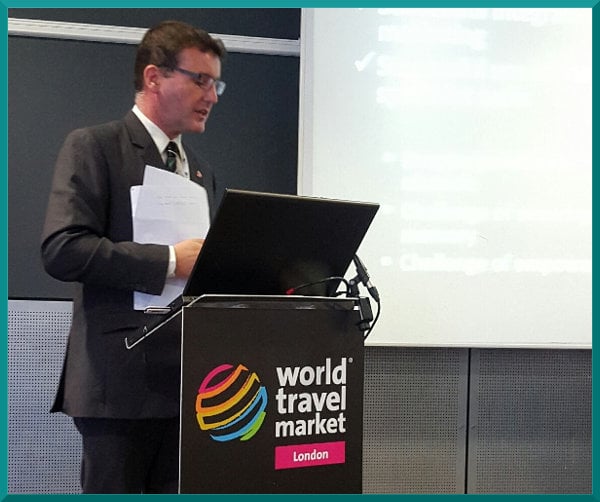 Robert Travers is a leading International Tourism Expert with over 18 years specialist experience providing project management and technical advice for various United Nations, national and international, organisations and agencies in Asia, Africa and Europe. Areas of expertise include Tourism marketing, responsible tourism development, destination management; monitoring and evaluation, tourism & climate change, green economy, heritage, environmental goods and services, pro-poor interventions and post-conflict recovery. We recently met Mr Travers in Athens where he is doing a study on Scuba Diving for the Greek Ministry of Tourism.
ECOCLUB.com: Among the many types of governments and tourism administrations which you have consulted which have been your favourite and why?
Robert Travers: As a consultant one offers advice: This advice is not aways taken! It is, of course, rewarding to see Governments or tourism administrations following and implementing advice, but the ability and political willingness of Governments or tourism administrations to manage tourism vary considerably. My favourites tend to be those who participate in developing consensus around recommendations. Often, perhaps surprisingly, these are sometimes one party states in consensus-based societies, as opposed to adversarial democracies. To be more specific, I have seen governments in Vietnam and Laos debate and (eventually) implement recommendations made in Tourism Master Plans and other studies with good success. Also working with UNESCO on World Heritage Site management issues, I note that the ability and willingness of governments and tourism bodies to implement recommendations varies considerably and that often they take a long time to implement recommendations.