
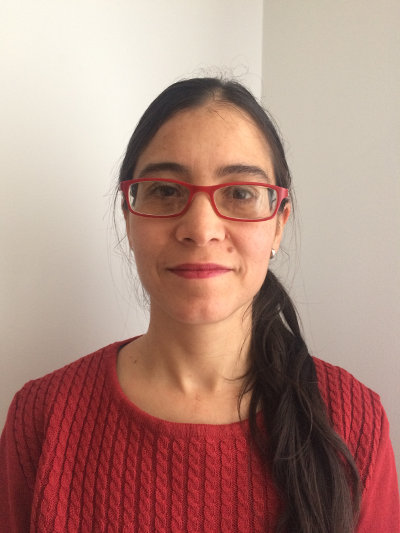
"What communities need is a good quality of life and usually, this involves small projects with small impacts on the environment, compared to resorts, mass projects and huge initiatives"
Natalia Naranjo is a Tourism and Development Expert. She is the Country Representative in Colombia and Ecuador for the Global Sustainable Tourism Council (GSTC), and an official trainer for the same organization. She is also the Country Representative in Colombia for the Canadian Organization for Technical Cooperation – Canadian Executive Service Organization (CESO-SACO). Ms Naranjo is a leading force at COMUNITUR, a community tourism development network while she also teaches Tourism Public Policy and International Analysis at the Externado de Colombia University. She has worked in Colombia, Peru, Ecuador and Spain with the private and public sector as well as with local communities and NGOs. Ms Naranjo holds a BSc in Finance and International Relations from the Externado de Colombia University, and a Masters in Environment from the University of Barcelona.
ECOCLUB.com: You have extensive experience working in both the public and private sectors in many Latin American countries, and you also teach tourism public policy at University level. Do you believe governments now finally get the importance of tourism, and particularly sustainable tourism, in relation to achieving the Sustainable Development Goals (SDGs), or do they still approach the sector as an easy source of revenue and just go through the moves of sustainable tourism, to greenwash and appear to be up to date?
Natalia Naranjo: My answer is that it could be both. There is a growing number of people finally understanding the importance of sustainability in the administration and other stakeholders. Social networks and globalisation are strengthening the sustainability discourse in all economic activities including tourism. When it comes to implementing policies and tools to achieve sustainability in Tourism, there are the unprepared who only do it to fulfil some obligations or some requirements from the government for example, without really considering the consequences or the serious commitment that it requires. But I think that growing concern and the market can be great allies to prevent greenwashing. For that, we also need more information and to facilitate access to information. Some stakeholders at first only want to accomplish some criteria without really meaning it, but even this is a good start. Anyway, there is more information for everyone, and that’s good.
ECOCLUB.com: Are you satisfied with the policies of the current Colombia government and their understanding of sustainable tourism? What would be any key recommendations you would make to them if asked?
Natalia Naranjo: Well, I think they are implementing different regulations, and from this year all the stakeholders have to be certified/have to accomplish some criteria in sustainability if they want to renew their functioning accreditation then I think that’s good that there are some standards. Anyway not everyone knows about sustainability, and sometimes there is misunderstanding, and there will probably be people that will only complete forms to accomplish that criteria and the government need more follow up with that. It is a challenge now they have been doing these policies and these regulations, and there is a little bit of concern among stakeholders if they can meet all those regulations that the government is trying to implement. We are now facing a big challenge to understand Sustainability and really implement these strategies and criteria. It is a good moment, but we need to keep working to understand even at the government level.